The Evolution of Festool Knives: What to Expect in 2026
As we move into 2026, the world of cutting tools has undergone significant transformation, with Festool knives leading the way. Known for their exceptional quality and performance, Festool knives have evolved to meet the demands of both professional craftsmen and home DIY enthusiasts. This article delves into the history, innovations, and future trends surrounding Festool knives, particularly the festool knife, offering insights into why they are a staple in any tool collection.
Overview of Festool Knife History
The Festool brand, established in Germany, has a rich heritage dating back to 1925. Originally focused on manufacturing high-quality woodworking tools, Festool quickly gained a reputation for precision and durability. The introduction of their knives, notably the Festool working knife, was a strategic move to complement their extensive range of tools. Over the decades, Festool knives have continuously evolved, with each iteration showcasing improved materials and innovative designs that enhance functionality and user experience.
Recent Innovations in Design
In recent years, Festool has embraced modern design principles, incorporating feedback from users to refine their knife offerings. The latest models feature ergonomic handles crafted from premium materials such as olive wood, providing not only aesthetic appeal but also superior grip and comfort. Furthermore, advancements in blade technology, including the use of high-carbon stainless steel, ensure that Festool knives deliver sharp, precise cuts with minimal effort.
Consumer Feedback and Trends
Consumer feedback plays a crucial role in guiding the development of Festool knives. Users consistently praise the knives for their durability and reliability, especially in professional settings. As trends shift towards multifunctional tools, Festool has responded by integrating replaceable blades and safety mechanisms into their designs, catering to the evolving needs of both professionals and hobbyists alike.
Key Features of the Festool Knife
The Festool knife stands out in the marketplace due to its unique features and meticulous craftsmanship. Understanding these elements can help potential buyers make informed decisions about their tool investments.
Material Quality: Olive Wood vs. Alternatives
The use of olive wood for the handle of the Festool knife is a significant selling point. This material is not only visually striking but also offers exceptional durability and resistance to wear. Compared to plastic or synthetic alternatives, olive wood provides a warm feel and a timeless aesthetic. This choice of material reflects Festool's commitment to quality and craftsmanship, ensuring that each knife is not only a tool but a work of art.
Blade Design and Performance Metrics
Equipped with an 8.5 cm blade made from 3Cr13 stainless steel, the Festool knife is designed for superior performance. This high-quality steel offers excellent edge retention and corrosion resistance, making it ideal for various cutting tasks. Additionally, the blade's design allows for clean and accurate cuts, an essential requirement in both woodworking and construction applications.
Ergonomics and User Experience Insights
Designing tools with user comfort in mind is a hallmark of Festool's approach. The ergonomically shaped handle of the Festool knife minimizes hand fatigue, even during prolonged use. Moreover, the weight distribution is optimized to enhance control and precision, making it a favored choice among professional tradespeople and DIY enthusiasts alike.
Applications and Use Cases for Festool Knives
Festool knives are versatile tools that find applications across various domains, from woodworking to general maintenance tasks. Understanding their diverse use cases can enhance productivity and efficiency.
Best Practices for Woodworking Projects
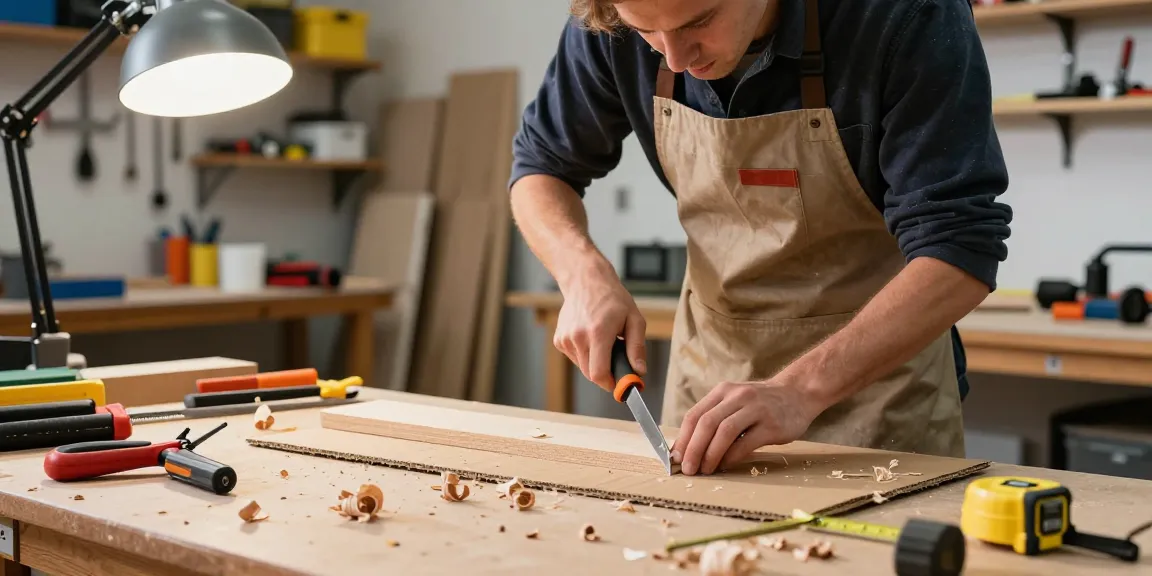
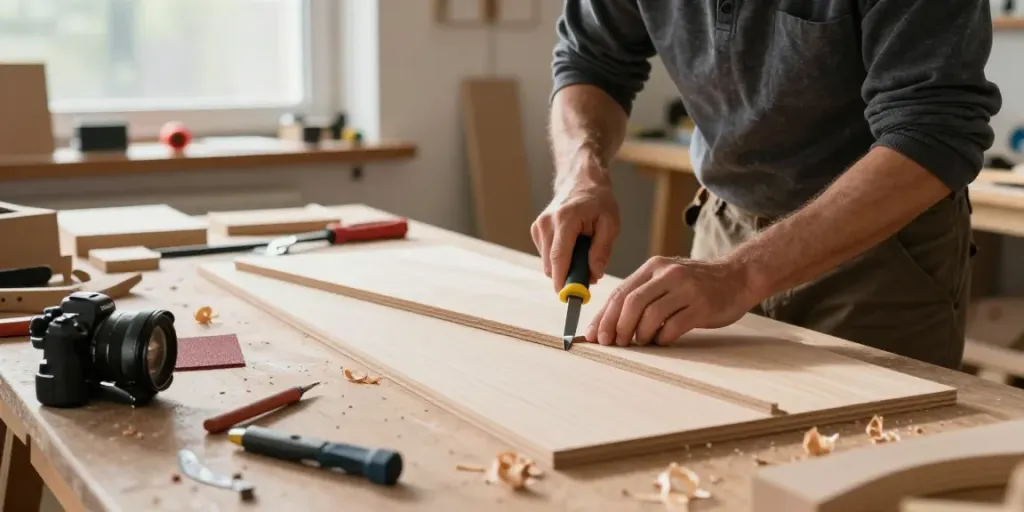
When utilizing the Festool knife in woodworking projects, it's essential to follow best practices to maximize its effectiveness. Ensure the blade is sharp for clean cuts, and use the knife on stable surfaces to maintain control. Additionally, employing the knife for precise trimming and finishing tasks can significantly improve the overall quality of the project.
Industry Insights: Professional vs. Hobbyist Use
While Festool knives are widely used by professionals in construction and carpentry, hobbyists also benefit from their precision and reliability. Professionals often rely on these knives for demanding tasks, while hobbyists appreciate the quality that enhances their DIY projects. This duality showcases the adaptability of Festool knives to meet diverse user needs.
Specific Tasks and Techniques for Improved Efficiency
To enhance efficiency when using a Festool knife, it is beneficial to master specific cutting techniques. For example, utilizing the knife for opening packages can save time compared to using scissors. Additionally, learning to score materials before cutting can lead to cleaner edges and less material wastage, showcasing the knife's versatility in various tasks.
Comparing Festool Knives to Competitors
In a competitive landscape, understanding how Festool knives stack up against competitors can guide informed purchasing decisions. Analyzing features, performance, and value is crucial for consumers.
Market Analysis: Key Competitors
Festool faces competition from several brands in the knife market, including Stanley and Olfa. Each brand offers unique features, but Festool consistently outperforms in terms of material quality and ergonomic design. Customer loyalty also favors Festool, as many users attest to the longevity and reliability of their tools.
Value Comparisons: Price vs. Performance
When comparing prices, Festool knives may appear higher in initial cost. However, considering their durability and performance metrics, they prove to be a sound investment over time. Users often find that the longevity of the Festool knife justifies the price, especially when compared to lower-quality alternatives that require frequent replacements.
Expert Recommendations for Best Use Cases
Experts recommend using the Festool knife for precision tasks, such as detailed trimming in woodworking and packaging. These applications highlight the knife's strengths and demonstrate its ability to outperform competitors in specialized tasks.
Future Trends and Predictions for Tool Innovation
The future of tool innovation promises exciting changes, particularly concerning sustainability and emerging technology. Festool is poised to adopt these trends, ensuring their products remain relevant in a rapidly evolving market.
Emerging Technologies in Crafting Tools
Technological advancements are shaping the future of crafting tools, with smart technology becoming increasingly integrated. We can expect Festool to explore features like digital measuring systems in their knives, improving accuracy and workflow in professional settings.
Sustainability and Eco-Friendly Practices
As consumer awareness regarding sustainability grows, Festool is likely to enhance their commitment to eco-friendly practices. This could include sourcing materials responsibly and incorporating recycled components in their knife production, addressing the environmental concerns of their user base.
Consumer Preferences: Shifting Demands in 2026
By 2026, consumer preferences will continue to evolve, with an emphasis on multifunctional tools that offer versatility. Festool is well-positioned to meet these demands, as their knives already exhibit adaptability across various application scenarios.
What are the benefits of using a Festool knife?
Using a Festool knife provides numerous benefits, including exceptional durability, precision cutting, and ergonomic design. These features combine to create a tool that enhances efficiency and user experience across various tasks.
How does the Festool knife compare to other brands?
When compared to other brands, Festool knives excel in material quality and user comfort. The integration of high-quality materials and thoughtful design features sets them apart in the marketplace, making them a preferred choice for many users.
What maintenance does a Festool knife require?
Maintaining a Festool knife involves regular cleaning and proper storage. Users should ensure the blade remains sharp and free from debris to maximize performance. Additionally, occasional oiling of moving parts may enhance longevity and functionality.
Are Festool knives worth the investment?
Yes, Festool knives are indeed worth the investment. Their reliability, performance, and durability are often cited as reasons for their value, particularly for professionals who rely on high-quality tools in their daily work.
Where can I purchase a Festool knife?
Festool knives can be purchased through various retail channels, including specialty tool stores and online platforms. For more information, Mister Worker offers valuable insights. The convenience of purchasing via platforms like Amazon or directly through Festool's website allows consumers to access their full range of products and discover the best options for their needs.