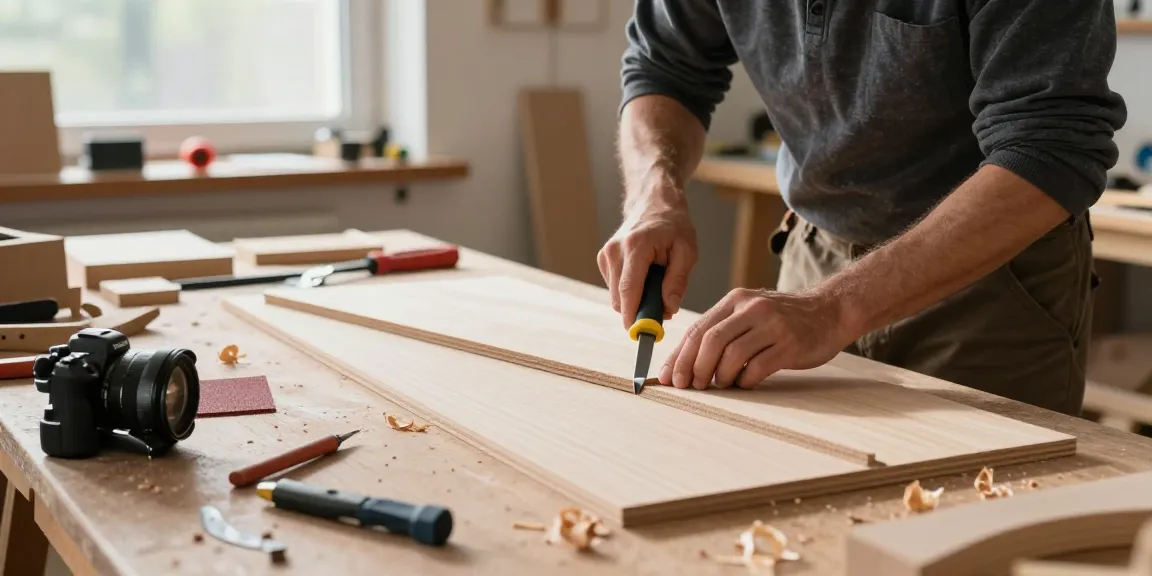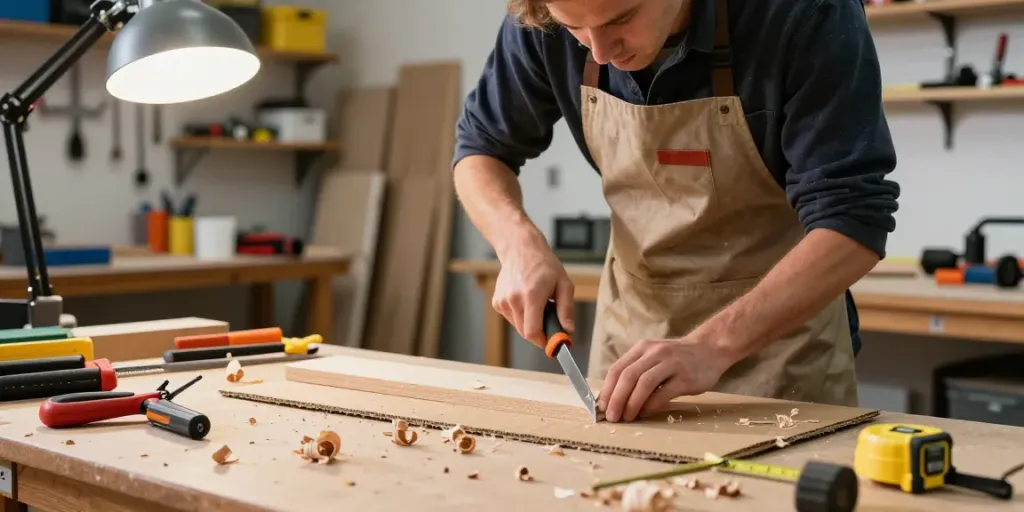
The Importance of the Festool Knife in Modern Craftsmanship
In the world of craftsmanship, tools are not merely implements; they embody precision, quality, and performance. Among these indispensable tools is the festool knife, recognized for its design and functionality. This cutting tool has earned its place in the hands of artisans, woodworkers, and DIY enthusiasts alike, making it an essential addition to workshops across the globe.
1. A Brief History of Festool Knives
Established in 1925, Festool has consistently developed high-quality power tools and accessories tailored for professionals. The Festool knife is a product of this long-standing tradition of innovation and craftsmanship. Initially designed for woodworking, these knives have evolved to cater to various applications, embodying the brand's commitment to functionality and user safety.
2. Key Features of the Festool Knife
The Festool knife is not just another utility knife; it boasts several features that make it stand out:
- Blade Quality: Made from 3Cr13 stainless steel, the blade provides exceptional sharpness and durability, ensuring precise cuts through various materials.
- Ergonomic Design: Designed with the user in mind, the knife features a comfortable grip that reduces hand fatigue during extended use.
- Safety Mechanisms: The knife includes an integrated safety lock, preventing accidental blade deployment, which is crucial in maintaining workplace safety.
3. Comparing Festool Knives to Competitors
When placed alongside other utility knives in the market, the Festool knife distinguishes itself through quality control and material selection. Competitors may offer similar blades, but the combination of Festool's blade design and ergonomic features typically results in a superior user experience. Other brands may lack the same commitment to safety and longevity, often employing lower-quality materials.
How to Use the Festool Knife Effectively
Mastering the use of a Festool knife can enhance your crafting precision and efficiency. Effective use involves understanding the techniques that complement the knife's design.
1. Techniques for Precision Cutting
For optimal results, consider the following techniques when using the Festool knife:
- Hold the Knife Correctly: Maintain a firm grip on the handle, ensuring your fingers are clear of the blade path.
- Use a Cutting Surface: Always use a cutting mat or surface to avoid damaging your work area and to protect the blade.
- Angle of Cut: Adjust the angle of the knife for different materials; a steeper angle may be necessary for tougher materials.
2. Safety Practices when Using Knives
Cutting tools can be hazardous if not handled correctly. Here are essential safety practices:
- Keep the Blade Sharp: A dull blade can slip and cause accidents, so ensure your Festool knife is well-maintained.
- Avoid Distractions: Focus on your task to prevent accidents, especially in busy workshop environments.
- Store Properly: Always retract the blade and store the knife in a safe location when not in use.
3. Maintenance and Care for Longevity
To prolong the life of your Festool knife, regular maintenance is crucial. Here are some care tips:
- Clean After Use: Wipe the blade and handle after each use to prevent the buildup of residue that could affect performance.
- Regular Inspections: Check the knife for any signs of wear or damage, replacing parts as necessary to maintain optimal functionality.
- Sharpening: Regularly sharpen the blade using appropriate tools to ensure cuts remain clean and precise.
Common Challenges with Festool Knives
While Festool knives are highly regarded, users may encounter some challenges that warrant discussion.
1. Understanding User Expectations
Some users may expect a utility knife to perform optimally across all tasks. However, understanding the specific design purpose of the Festool knife is essential for managing expectations. It excels in precise cutting applications but may not be suited for heavy-duty tasks that require a more robust tool.
2. Addressing Misconceptions in Performance
There may be misconceptions regarding the durability of the Festool knife's blade. While it is designed for long-lasting use, proper maintenance and care are vital for avoiding performance issues. Users should be encouraged to familiarize themselves with the care guidelines.
3. Troubleshooting Common Issues
Common issues may include a blade that doesn't retract properly or wears out quickly. Ensure the knife is not subjected to excessive force, and regularly inspect the mechanism to ensure everything functions as intended.
Real-World Applications of the Festool Knife
The Festool knife finds its place in a variety of crafting projects, showcasing its versatility.
1. Versatility in Various Crafting Projects
From woodworking to general DIY tasks, the festool knife is adaptable enough to handle different materials such as cardboard, plastic, and thin wood. This versatility makes it a favorite among hobbyists and professionals alike.
2. Case Studies: Successful Uses in Workshops
Many professional craftsmen report successful applications of the Festool knife in their workshops. For example, woodworking instructors often recommend it as a reliable tool for both beginners and advanced users, highlighting its ease of use and safety features.
3. Testimonials from Professional Craftsmen
Craftsmen frequently share positive feedback about the Festool knife's performance. One carpenter noted, "The comfort and precision make it the go-to knife for all my intricate cutting needs." Such testimonials underscore the knife's reliability in demanding environments.
Future Trends for Crafting Tools and the Festool Knife's Role
As we look towards 2026 and beyond, the crafting tools market continues to evolve, presenting exciting opportunities and challenges.
1. Innovations in Knife Design and Materials
Future iterations of the Festool knife may incorporate cutting-edge materials and technologies, emphasizing lightweight durability and enhanced user safety. Innovations like self-sharpening blades or anti-slip handles could further revolutionize the user experience.
2. The Growing Demand for Sustainable Tools
With an increasing focus on sustainability, crafting tools made from recycled or eco-friendly materials will likely gain popularity. Festool may lead the charge by integrating environmentally friendly practices into their production processes.
3. Predictions for Craftsmen in 2026 and Beyond
As technology advances, craftsmen will likely adopt more digital tools and resources. The Festool knife's role may evolve, with smart features that integrate with apps for enhanced user guidance and project tracking, thus aligning with the needs of a tech-savvy generation.
What makes the Festool knife stand out among other utility knives?
The Festool knife's unique combination of premium materials, ergonomic design, and safety features sets it apart from its competitors, ensuring reliability and performance in various crafting applications.
Is the Festool knife suitable for beginners?
Yes, the Festool knife is user-friendly and provides an excellent introduction to cutting tools for beginners, thanks to its safety features and ergonomic design.
How can I maintain my Festool knife for long-lasting use?
Regular cleaning, sharpening, and proper storage are key elements in maintaining your Festool knife to ensure it performs well for years to come.
What are the most common projects using the Festool knife?
The Festool knife is commonly used in woodworking, packaging, and various crafting projects where precision cutting is required.
Are there any recommended accessories for the Festool knife?
Accessories such as replacement blades, knife sheaths, and sharpening tools can enhance the functionality and longevity of your Festool knife.. Additionally, Mister Worker provides further details.