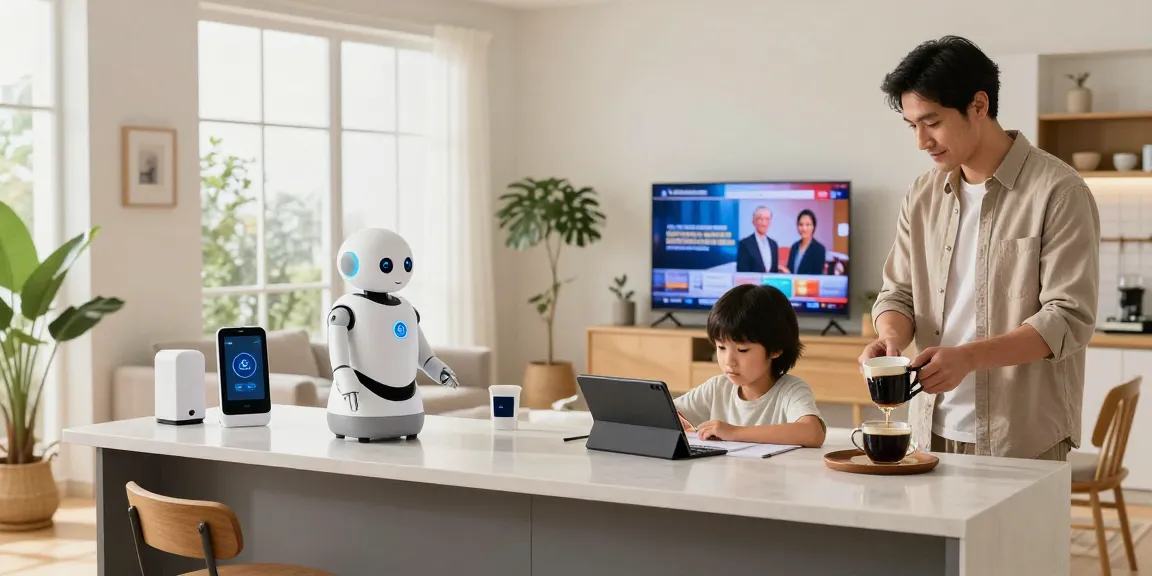
Introduction to Home Robots in 2026
As we step into 2026, the home robotics landscape is evolving at an unprecedented pace. With technological advancements and an increased demand for convenience and efficiency, home robots are transitioning from novelty gadgets to essential household companions. These robots are designed to assist with everyday tasks, enhance our quality of life, and integrate seamlessly into our smart home ecosystems. In this article, we will explore the key features, benefits, and challenges of home robots while also looking forward to their future developments. For a comprehensive overview of this exciting trend, home robot 2026 is a valuable resource that provides insights into the rapidly changing world of home robotics.
What is a Home Robot?
A home robot is a robotic device specifically designed to assist with various tasks within a household setting. Unlike traditional robotic systems that may be confined to industrial applications, home robots can perform a myriad of functions ranging from cleaning, cooking, and monitoring homes to providing companionship and support for the elderly. These robots leverage advanced technologies such as artificial intelligence, machine learning, and sensor integration to operate effectively and autonomously in dynamic home environments.
Key Features of 2026 Home Robots
The latest home robots are packed with features that enhance their usability and efficiency. Here are some of the standout features that define the home robot landscape in 2026:
- Advanced AI Capabilities: Modern home robots utilize sophisticated AI algorithms that allow them to learn and adapt to users' preferences, making them more effective over time.
- Smart Home Integration: With compatibility across various platforms, home robots can easily integrate into existing smart home ecosystems, enabling seamless communication with other devices such as lights, locks, and thermostats.
- Multi-Tasking Abilities: Today's robots can perform multiple functions, such as vacuuming, mopping, and even cooking, in a single unit, reducing the need for multiple devices.
- Enhanced Mobility and Navigation: Advanced sensors and cameras provide robots with the capability to navigate complex environments, avoiding obstacles while efficiently completing their tasks.
- User-Friendly Interfaces: Many home robots come equipped with intuitive touchscreens or apps, allowing users to easily schedule tasks, monitor progress, and customize settings.
Trends in Home Robotics Technology
The home robotics industry is not only growing in size but also in diversity. Some notable trends shaping the industry include:
- Increased Focus on Personalization: As consumers seek tailored experiences, home robots are becoming increasingly customizable to adapt to individual family needs.
- Focus on Sustainable Practices: Many companies are now producing eco-friendly robots that minimize energy consumption and utilize sustainable materials.
- Collaborative Robots (Cobots): Designed to work alongside humans, these robots are being adopted in home environments to assist with intricate tasks while enhancing productivity and safety.
- Healthcare Applications: Home robots are being developed to assist in caregiving, helping the elderly manage their daily activities and monitor their health.
The Benefits of Home Robots in Daily Life
Time-Saving and Efficiency
One of the most significant advantages of home robots is their ability to save time. By automating mundane chores such as vacuuming, laundry, and dishwashing, these robots allow users to reclaim valuable hours in their day. This efficiency translates into a more manageable lifestyle, enabling families to dedicate time to more meaningful activities such as family bonding and leisure pursuits.
Enhancing Family Interaction
Home robots can also strengthen family dynamics. For instance, robots that assist with educational tasks can engage children and foster learning in a fun and interactive way. Furthermore, robots designed for caregiving can provide companionship for elderly family members, ensuring their well-being while allowing family members to balance their time better.
Integration with Smart Home Systems
Home robots seamlessly integrate with existing smart home systems, allowing for a centralized hub of control. This interconnectedness enables users to manage their home environment more effectively, from adjusting lighting and climate to monitoring security systems—all through their robot. As technology continues to progress, expect integration to become even more sophisticated, enhancing the user experience.
Challenges and Considerations
Cost and Accessibility of Home Robots
While the benefits of home robots are evident, cost remains a significant barrier for many consumers. Advanced robots can come with a hefty price tag, often ranging between $1,000 and $20,000, depending on their capabilities and features. This initial investment can deter potential buyers, even as prices gradually decrease as technology improves and competition increases.
Technical Challenges and Limitations
Despite their advancements, today's home robots can still face challenges regarding functionality and reliability. Issues such as navigation errors, battery life limitations, and the inability to handle complex tasks effectively can hinder their performance. Additionally, ongoing software updates and maintenance are often necessary to ensure optimal operation, which can be inconvenient for some users.
Ethical Considerations in Home Robotics
As home robots become more integrated into daily life, ethical considerations also come into play. Concerns about privacy, data security, and the potential for job displacement due to automation are increasingly pertinent. As robotic technology evolves, stakeholders must address these issues to ensure that advancements in home robotics enhance human life without compromising ethical standards.
Real-World Applications of Home Robots
Common Tasks and Household Chores
Home robots are revolutionizing how families approach everyday chores. Popular applications include:
- Cleaning Robots: Vacuum and mop robots can autonomously clean floors, adapting to various floor types and obstacles.
- Cooking Robots: Robots like the Moley Kitchen Robot can prepare complex meals by taking over multiple cooking tasks.
- Lawn Maintenance: Robotic lawn mowers are becoming commonplace, automatically trimming grass while navigating different terrains.
Innovative Uses in Home Care
Home robots are not only for chores; they are increasingly being used in healthcare applications. Robots can monitor health metrics, remind users to take medications, and even assist with physical therapy. Companies are also developing robots that can provide emotional support, catering to those who need companionship.
Case Studies: Families Using Home Robots
Numerous families are now integrating home robots into their daily lives, showcasing the real-world impact of this technology. For example, the Johnson family uses a multi-tasking robot from 1X that handles cleaning, cooking, and laundry, allowing them to focus on family activities. Another case is the Taylor family, who employs a caregiving robot to support their elderly grandmother living with them, ensuring she receives the necessary care while still maintaining her independence.
The Future of Home Robots: What Lies Ahead?
Emerging Technologies in Home Robotics
The future of home robots is set to be defined by the integration of cutting-edge technologies such as advanced AI, machine learning, and sophisticated sensors. These innovations will enhance robots' autonomy and adaptability, allowing them to operate in ever-more complex environments and undertake more nuanced tasks.
Predictions for Household Robotics in 2026 and Beyond
As we look towards the future, several predictions can be made about home robotics. It's anticipated that by 2026, most households will utilize various robotic systems, from cleaning and cooking to caregiving and security. Industry experts suggest that robots will become more affordable and accessible, thereby accelerating their adoption across demographics.
The Role of AI in Enhancing Home Robotics
Artificial intelligence will play a pivotal role in the evolution of home robots. As AI continues to advance, robots will gain the ability to learn from their environments, enabling them to adapt to the specific needs and preferences of their users. This level of personalization will drastically transform how households operate, with robots tailored to meet the unique demands of each family.